
The Dangers of Pine Beetle Infestations in North Cobb, GA
Pine beetle infestations don't just kill trees. They create hazardous situations that put your property and your neighbors' property at risk. As a homeowner in the North Cobb area, understanding the threat is the first step toward protecting your trees.
Weakened Tree Structure
As pine beetles tunnel through the bark and feed on the tree's tissues, they disrupt the tree's ability to transport water and nutrients. This weakens the overall structure, making the tree far more susceptible to breakage and collapse, especially during the thunderstorms that move through Cobb County every summer.
Increased Risk of Falling Branches
Infested trees develop dead and dying branches that can break off without warning. This risk is particularly high during severe weather: a dead pine limb doesn't need a strong storm to come down. Once a tree starts declining from beetle damage, any significant wind event becomes a liability.
Wildfire Hazard
Pine beetle infestations create large volumes of dead, dry wood. In a dry summer, those standing dead pines become fire fuel. North Georgia has seen more wildfire activity in recent dry years, and dead pines on residential lots are a legitimate concern when fire moves through a neighborhood.
Liability Concerns
If a beetle-infested tree on your property fails and damages a neighbor's home or injures someone, you can be held liable: particularly if you were aware the tree was declining and didn't address it. Addressing an infestation early is always less expensive than dealing with the legal and repair consequences after a failure.
Reduced Property Value
Untreated infestations can spread through a stand of pines rapidly. Losing multiple trees on a property has a measurable impact on curb appeal and appraised value, particularly in neighborhoods where mature tree coverage is part of what makes the area desirable.
I've been working in the North Cobb area for over 40 years: Kennesaw, Marietta, Austell, Powder Springs, Smyrna, Alpharetta, Sandy Springs, and Roswell. The number of pine trees coming in with beetle damage has increased significantly over the past decade, driven by drought stress cycles that weaken trees and make them easier targets. John Williams, Owner, Aable John's Tree Service
Pine beetles, primarily the Southern Pine Beetle and the Ips Engraver Beetle, bore into bark and create galleries that block the tree's vascular system. The tree responds by pushing out resin, but a heavy infestation overwhelms that defense. As the galleries spread, the tree's health crashes rapidly, often leading to death within weeks in the case of SPB.
How Fast Pine Beetle Infestations Spread in North Cobb
One of the most important things for Cobb County homeowners to understand is the speed at which beetle infestations spread. If left unchecked, beetles move from tree to tree, decimating entire stands in a matter of weeks. A small spot of two or three dead pines can double in size within a month during active beetle flight season (spring through fall).
Early detection and quick action are what make the difference between losing one tree and losing a grove. Here's what to watch for:
Regular Inspections
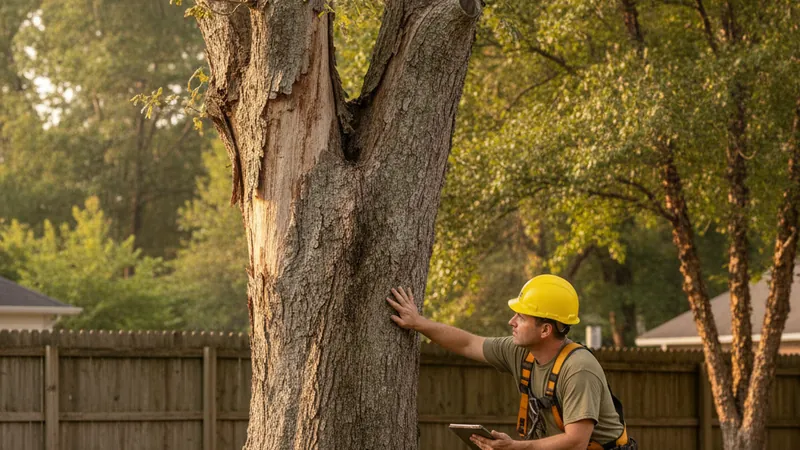
Inspect your pine trees regularly for signs of beetle activity: small pitch tubes (popcorn-shaped resin masses on the bark), small round exit holes where adult beetles have emerged, or fine sawdust accumulating at the base of the tree or in bark crevices. If you see any of these, call a professional immediately.
Maintain Tree Health
Healthy trees are more resistant to beetle attack. Stressed pines, those dealing with drought, compacted roots, construction damage, or disease, are primary targets. Proper watering during dry periods, avoiding bark damage, and not piling mulch against the trunk all help keep trees in the condition where they can fight off early infestations.
Remove Infected Trees Promptly
A heavily infested tree needs to come down before the beetles complete their development cycle and emerge to attack neighboring trees. Prompt removal of infested wood, and proper disposal, not leaving it stacked on-site, is the most important action a homeowner can take to stop the spread. Our team at Aable John's can safely and efficiently handle infected tree removal and proper wood disposal.
Consider Preventative Treatments
In some situations, particularly for high-value specimen pines or trees in areas where beetle pressure is heavy, preventative insecticide treatments can protect healthy trees. These applications need to be handled by a licensed professional. Ask our arborists whether your property's situation warrants this approach.
Signs Your Pine Tree May Have Beetle Infestation
Early detection saves trees and prevents spread. Here are the key symptoms to look for on your Cobb County property:
- Pitch tubes: Small, popcorn-shaped masses of resin on the bark, ranging from white to reddish-brown. These are the tree's response to the initial beetle attack.
- Bark holes: Small, round exit holes where adult beetles have emerged: typically about the size of a pencil tip, often in clusters.
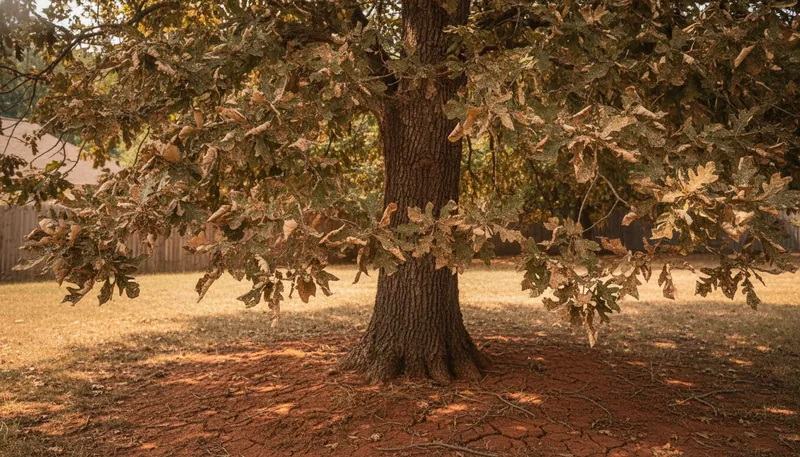
- Browning needles: Needle discoloration starting at the top of the tree and working downward: yellow to red to brown. This is a late-stage symptom indicating significant vascular damage.
- Sawdust: Fine wood dust accumulating at the base of the tree or in bark crevices: evidence of active boring activity.
- Woodpecker activity: Woodpeckers feed on pine beetles, so if you notice increased woodpecker activity concentrated on a specific pine, that tree may be infested.
When to Call a Professional
If you suspect pine beetle activity, contact an ISA Certified Arborist or your local county extension office to confirm the diagnosis and assess how far the infestation has progressed. In some cases, early-stage infestations on high-value trees can be addressed with treatment. In cases where the infestation has progressed to the point of significant needle browning and structural decline, tree removal is the right call to protect surrounding pines.
Aable John's is led by owner John Williams and has been serving the North Cobb area for over 40 years. We're BBB-accredited and can safely remove infested trees and properly dispose of the wood to prevent further spread. If you're not sure what you're dealing with, give us a call. We'll come out and take a look.
Why Aable John's
- Our arborists: accurate diagnosis and appropriate treatment recommendations
- TCIA Accredited company: industry-leading safety and professional standards
- 40+ years serving North Cobb and Cobb County: we've seen and managed beetle outbreaks across the area for decades
- Safe removal and proper disposal: infested wood handled correctly to prevent re-infestation
- Free estimates: on-site and no obligation
- Free estimates: we come out, assess the tree, and give you a straight answer
Call (770) 218-0068 or visit treejobs4less.com. We're committed to providing homeowners in the North Cobb area with honest assessments and quality tree care.
Frequently asked questions
What types of pine beetles are found in North Cobb, GA?
The two most common in Cobb County are the Southern Pine Beetle (SPB) and the Ips Engraver Beetle. SPB is the more aggressive species. It attacks in mass and produces blue-stain fungus that accelerates tree death. Ips typically attacks stressed or weakened pines and spreads more gradually. Both bore into the bark and disrupt the tree's ability to move water and nutrients.
Can a pine tree with a beetle infestation be saved?
It depends on how far the infestation has progressed. If you catch it early, before the needles have turned brown and the beetle galleries have spread throughout the tree, preventative insecticide treatments on high-value trees can help. Once the tree is showing widespread browning from the top down, it's generally past saving and needs to come down before it falls or spreads beetles to nearby pines.
How quickly do pine beetles kill a pine tree?
A heavy Southern Pine Beetle infestation can kill a pine tree in four to six weeks. Ips infestations are slower but still significant: a stressed tree can decline and die within a few months. The concerning part is how fast the infestation spreads to neighboring trees: a group of beetle-killed pines ('a spot') can expand by several trees per week if not addressed.